
The 2026 World Cup, jointly hosted by the United States, Canada, and Mexico, is set to kick off on June 11. In theory, FIFA should be reaping easy profits, but a major hurdle remains—broadcast rights negotiations with China.
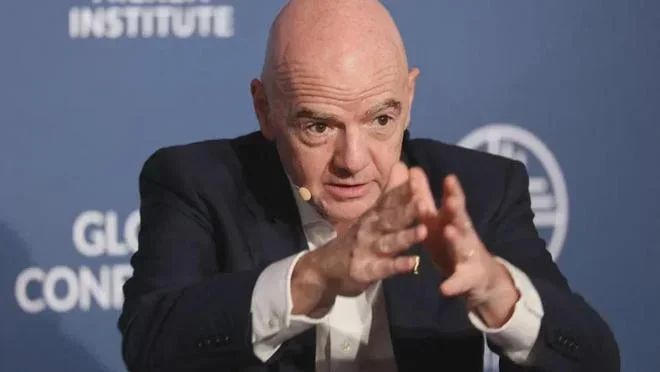
FIFA’s initial asking price for mainland China (CCTV) was between $250 million and $300 million (approximately 1.8-2.1 billion yuan). However, CCTV’s budget is only $60-80 million. After rounds of talks, FIFA dropped its offer to $120-150 million, still far from an agreement.
Meanwhile, FIFA’s two-tournament offer for India was just $350 million (2.4 billion yuan), and India is only willing to pay $200 million. For Hong Kong, the quoted price was 1.7 billion yuan. FIFA classifies China as a “Tier 1 high-price market,” alongside the United States and the United Kingdom, citing China’s large population. But critics argue that pricing China at 17 times India’s rate is not market-based—it amounts to unreasonable gouging.
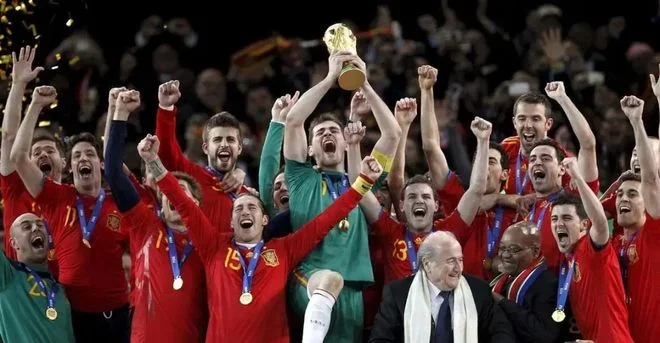
In response, CCTV has stated that the cost is too high compared to the value. FIFA, alarmed, is now under pressure. During the previous Qatar World Cup, Chinese companies sponsored $1.395 billion, making them among the biggest backers. If this year’s broadcast rights deal fails, those sponsors—including Hisense, vivo, and Mengniu (three of the 17 top sponsors, having already invested over $500 million)—would see their exposure vanish. FIFA could also face breach penalties.

Adding to FIFA’s worries, the U.S. government, led by President Trump, has been reluctant to invest public money. With broadcast rights unsold, sponsors hesitant, and uncertain ticket sales, the tournament faces a potential financial crisis. FIFA’s previous World Cup already incurred billions in losses.
This week, a senior FIFA delegation is visiting China for negotiations, reportedly offering a significant price cut to persuade CCTV. However, CCTV’s stance remains firm: it is willing to buy but only at a reasonable price. As China’s men’s national team has failed to qualify for three consecutive World Cups, public passion is waning. The question is whether Chinese audiences will accept being treated as a cash cow.
FIFA needs China’s market and revenue, while China needs a platform for brands to go global and foster football culture. Should CCTV secure the World Cup broadcast rights? The debate continues.